

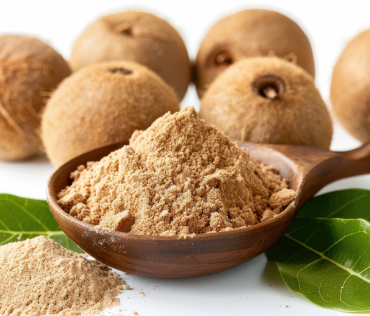
In a world where we’re all trying to be a little kinder to our bodies, one tiny, round fruit from the sub-tropical mountains of Southeast Asia is making some serious noise. If you’ve spent any time in the health food aisle lately—or scrolled through #KetoLife on social media—you’ve likely seen it: Monk Fruit.
But this isn’t just another passing “superfood” trend. Monk fruit extract is fundamentally changing the way we think about sweetness, especially for those navigating the worlds of Keto, diabetes, and low-sugar living.
Are you ready to see how this ancient fruit is giving the modern food industry a massive (and delicious) makeover? Let’s dive in!
What Exactly is Monk Fruit? (The “Buddha Fruit” Backstory)
Long before it was a staple in your favourite protein bar, monk fruit—or Luo Han Guo—was cultivated by Buddhist monks in the 13th century. They prized it for its intense sweetness and used it in traditional cooling drinks.
Fast forward to today, and we’ve figured out how to turn this melon-like fruit into a powerful extract. The coolest part? Unlike most fruits, where the sweetness comes from fructose or glucose, monk fruit gets its kick from unique antioxidants called mogrosides.
Why today’s Food Scene is Obsessed
As we move through the year, the demand for “Clean Label” ingredients is at an all-time high. People want to recognise the names on their ingredient lists. Monk fruit fits this perfectly; it’s plant-derived, non-synthetic, and carries a fascinating history.
1. The Keto King: Why Low-Carb Lovers are Swapping
If you’re on a Ketogenic diet, your biggest enemy is usually hidden sugar. One teaspoon of the white stuff can kick you right out of ketosis. Enter monk fruit extract.
- Zero Glycemic Impact: Since the body processes mogrosides differently than sugar, monk fruit doesn’t trigger a rise in blood glucose or insulin levels. For someone in ketosis, this is the holy grail of sweeteners.
- The “Net Carb” Hero: On a nutrition label, monk fruit extract typically registers as zero net carbs. This allows food brands to create “sugar-free” chocolates, syrups, and cookies that actually fit into a high-fat, low-carb lifestyle.
- No Bitter Aftertaste: Unlike some other plant-based sweeteners that can leave a metallic or “liquorice” taste, monk fruit is famous for its clean, rounded sweetness.
Have you tried a monk-fruit-sweetened Keto dessert yet? The texture and taste are getting so close to the “real thing” it’s almost spooky!
2. A Game-Changer for Diabetic-Friendly Diets
For the millions managing diabetes, the “sugar-free” label hasn’t always been a win. Many early sugar substitutes were artificial or had digestive side effects. Monk fruit is changing that narrative.
Stability is Key
One of the reasons monk fruit is transforming diabetic foods is its heat stability. You can bake with it! Whether it’s a birthday cake or a morning muffin, monk fruit doesn’t break down or lose its sweetness in the oven. This gives people managing blood sugar the freedom to enjoy home-cooked treats without the worry of post-snack spikes.
Pure vs. Blended
Today, we’re seeing more transparency in how monk fruit is sold. Because it’s 150–250 times sweeter than sugar, a tiny bit goes a long way. You’ll often find it blended with Erythritol or Allulose to create a 1:1 sugar replacement that looks and feels like the granules we’re used to.
3. Beyond the “Diet” Aisle: Mainstream Low-Sugar Innovation
It’s not just for specific diets anymore! Big-name beverage and snack companies are switching to monk fruit to meet the global push for reduced sugar intake.
Where you’ll find it today:
| Category | Innovation |
| Beverages | Sparkling waters and “functional” sodas using monk fruit for a zero-calorie refresh. |
| Dairy-Free | Almond, oat, and soy milks that taste sweet without the added cane sugar. |
| Condiments | BBQ sauces and ketchups that have ditched the high-fructose corn syrup. |
| Sports Nutrition | Pre-workouts and protein powders that avoid artificial sweeteners in favor of monk fruit. |
The Mogroside Magic: What’s Inside?
Let’s get a little nerdy for a second. The sweetness in monk fruit is primarily driven by Mogroside V.
In the world of chemistry, the way these compounds interact with our taste buds is fascinating. Because they aren’t absorbed in the upper gastrointestinal tract, they don’t provide calories. Instead, they pass through the system, leaving nothing behind but a sweet memory on your palate.
Pro-Tip: When shopping, look for “Monk Fruit Extract” or “Luo Han Guo” on the label. The higher the percentage of Mogroside V, the cleaner the sweetness
The Astra Organics Edge
Astra Organics is setting a high bar with a monk fruit extract that’s as pure as it is potent. Their version is crafted for those who value a “clean label,” offering a high-intensity sweetness that dissolves instantly in drinks and stays stable under high heat. By focusing on a premium concentration of mogrosides without the need for synthetic fillers, Astra Organics provides a versatile, non-GMO solution that fits perfectly into any Keto or low-sugar lifestyle.
Final Thoughts: The Future is Fruit-Powered
Monk fruit extract is more than just a substitute; it’s a solution. It bridges the gap between our natural craving for sweetness and our modern need for better-for-you ingredients. By allowing us to enjoy the flavours we love without the metabolic baggage of refined sugar, it’s officially earned its spot as a transformer of the food industry.
Whether you’re deep into a Keto journey, managing your health with a diabetic-friendly diet, or just trying to cut back on the white stuff, monk fruit is a tiny titan worth rooting for.
FAQs
- Q: Is monk fruit extract available in India, and is it FSSAI approved?
- A: Yes, monk fruit (Luo Han Guo) is gaining traction in India and is included in the FSSAI list of permitted non-caloric sweeteners for various food categories.
- Q: Can I use monk fruit extract to make traditional Indian sweets like Gulab Jamun or Kheer?
- A: Absolutely, its high heat stability makes it perfect for boiling milk or making syrups without losing sweetness or changing the texture of your desi desserts.
- Q: How does the price of monk fruit compare to Stevia or Erythritol in the Indian market?
- A: Monk fruit is generally considered a premium sweetener in India and may cost more than Stevia due to the specific climate required for its cultivation and import.
- Q: Does monk fruit extract have the same bitter aftertaste often found in local Stevia brands?
- A: Most Indian consumers find monk fruit much more palatable as it offers a clean, sugar-like taste profile without the lingering “herbal” bitterness associated with Stevia.
- Q: Is Astra Organics monk fruit extract a good option for a strict Ayurvedic or Sattvic diet?
- A: Since it is a 100% plant-derived fruit extract without synthetic chemicals, many consider it a cleaner, more “Sattvic-friendly” alternative to artificial sweeteners.